

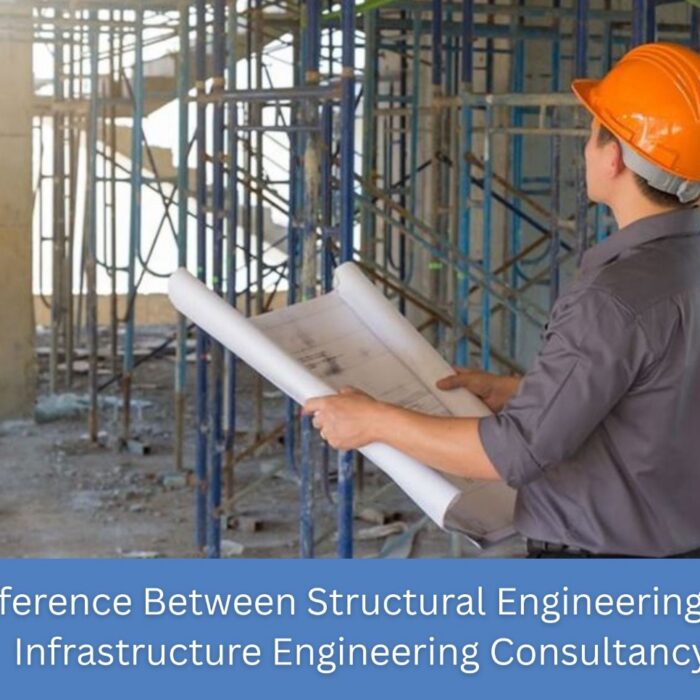
When it comes to construction and development, engineering expertise plays a critical role in ensuring projects are safe, functional, and durable over the long term. Two terms often used in the industry—Structural Engineering and Infrastructure Engineering Consultancy—are frequently misunderstood. Though related, their focus and application differ, especially in the context of RREN’s services.
Understanding this difference helps project owners, developers, and decision-makers select the right expertise for their specific needs.
What Is Structural Engineering?
Structural engineering involves the analysis and design of structural systems to ensure stability, safety, and performance. A structural engineer is responsible for ensuring that buildings and structural elements—such as beams, columns, slabs, and foundations—can safely resist applied loads (including dead loads, live loads, and seismic forces) throughout their design life.
At RREN, structural engineering extends to:
- Designing safe and efficient structural systems
- Analyzing load paths and material behaviour
- Performing structural analysis, design calculations, and modelling using industry-standard software (such as ETABS, STAAD Pro, SAP2000)
- Ensuring compliance with relevant Indian Standards (IS codes)
- Supporting construction with technical drawings and documentation
- Ensuring structural elements satisfy strength, serviceability, and durability requirements
- Delivering specialized design services for residential, commercial, and industrial buildings
Our structural engineering consultants in Bangalore work across new construction, ongoing projects, and existing buildings—ensuring every structure is safe, efficient, and sustainable.
What Infrastructure Engineering Consultancy Means at RREN
At RREN, Infrastructure Consultancy is not a broad external-facing infrastructure practice. Instead, it focuses on structural design aspects of infrastructure-related structures where structural performance is critical.
Examples include:
- Machine foundations
- Specialized support systems (such as sludge tanks or robotic labs requiring bespoke structural support)
- Structural design of industrial buildings and facilities
- Bridge-related structural design components involving RCC/steel/composite systems
- Pavement-related structural elements as dictated by load and design requirements
In this context, infrastructure engineering at RREN means structurally sound design solutions for large-scale structural elements within infrastructure-type projects, not traditional public infrastructure planning or civil systems design.
Key Differences Between Structural Engineering and Infrastructure Engineering Consultancy
While both disciplines rely on engineering fundamentals, their scope and focus differ at RREN:
| Aspect | Structural Engineering | Infrastructure-Focused Structural Consultancy (RREN Context) |
| Primary Focus | Individual buildings and structures | Structurally critical components within infrastructure projects |
| Scope of Work | Beams, columns, slabs, foundations | Machine foundations, industrial structural systems, bridge structural design |
| Design Approach | Structural analysis & optimization | Advanced structural solutions for complex load and functional requirements |
| Typical Projects | Residential, commercial, institutional buildings | Industrial facilities, process structures, specialized infrastructure elements |
| Deliverables | Structural drawings, reinforcement details | Detailed structural design solutions, analysis, and engineering plans |
| Engineering Tools | IS code-based structural design | IS code + project-specific structural performance criteria |
| Consultant Role | Ensuring safety, stability, and compliance | Ensuring structural viability and performance of infrastructure-type structural systems |
In simple terms, structural engineering ensures a building stands safely and performs over time, while infrastructure-focused structural consultancy at RREN ensures structurally demanding elements within industrial or infrastructure contexts are engineered for performance and longevity.
How Structural Engineering and RREN’s Infrastructure Services Work Together
At RREN, both disciplines blend seamlessly. For instance, in a complex industrial building, structural engineers design the building’s frame, while infrastructure-focused structural consultancy addresses load-intensive components like machine foundations, specialized tanks, or pavement structures.
This integrated approach ensures that every structural element functions reliably within the broader built environment.
Choosing the Right Expertise for Your Project
If your project involves a standalone building—whether residential, commercial, or industrial—structural engineering consultants in Bangalore are your go-to professionals to ensure safety and compliance.
If your project also requires advanced structural support for infrastructure-related elements (such as industrial foundations, specialized process support systems, or structures with atypical load paths), then RREN’s infrastructure-focused structural consultancy provides the targeted engineering required.
Conclusion: Engineering Excellence with RREN
At RREN, we offer deep expertise in structural engineering and infrastructure-focused structural consultancy, delivering integrated solutions tailored to project-specific needs. Our team includes experienced structural consultants in Bangalore who provide comprehensive design, due diligence, rehabilitation, and strengthening services for both conventional buildings and structurally demanding infrastructure elements.
Recognized as a trusted partner and among the best structural consultants, RREN ensures that every structure and structural component is designed for safety, efficiency, and long-term performance—whether for buildings or specialized infrastructure-related structures.